Testosterone Replacement Therapy for Men: What You Need to Know
Medical Disclaimer
This article is for educational and informational purposes only and is not intended to provide medical advice, diagnosis, or treatment. Testosterone levels, symptoms, and treatment options can vary significantly from person to person. Decisions about testosterone therapy or other hormone treatments should be made with a qualified healthcare professional based on an individual’s symptoms, medical history, laboratory results, risks, and goals. The information provided here should not be used to diagnose or treat a medical condition or as a substitute for individualized medical care. Always consult your healthcare provider before starting, stopping, or changing any medication, hormone therapy, or supplement.
Testosterone replacement therapy (TRT) has moved from a relatively specialized treatment into the mainstream conversation about men's health. Clinics advertise testosterone for low energy, reduced sex drive, difficulty building muscle, erectile problems, and the effects of aging.
What Is Testosterone?
Testosterone is an important androgen hormone produced mainly by the testicles, with small amounts also coming from the adrenal glands. Its production is regulated by the hypothalamus and pituitary gland.
Testosterone contributes to:
Sexual desire and sexual function
Muscle mass and strength
Bone health
Body composition
Red blood cell production
Energy and general well-being
Reproductive function
Development and maintenance of male secondary sexual characteristics
Testosterone levels change throughout life. They can also be affected by illness, nutrition, sleep, exercise, body composition, medications, and other medical conditions. That means a single testosterone measurement does not necessarily tell the whole story.
What Does "Low Testosterone" Actually Mean?
The medical terms include hypogonadism or testosterone deficiency.
The Endocrine Society recommends diagnosing hypogonadism when a man has both:
Symptoms consistent with testosterone deficiency, and
Consistently and unequivocally low testosterone concentrations on appropriate testing.
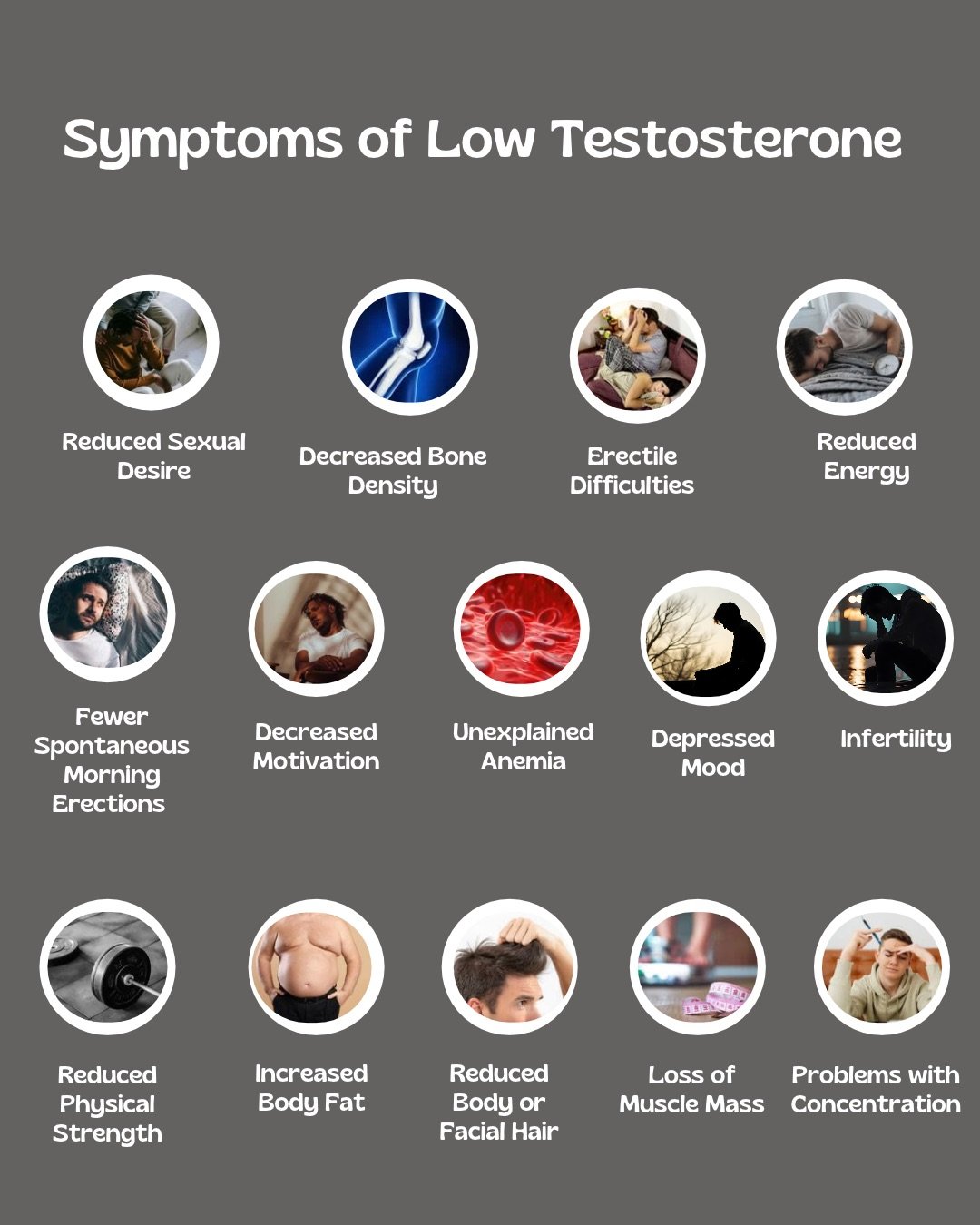
Symptoms such as low energy, reduced libido, and mood changes are common and can have many causes. Generally, reversible contributors are considered before testosterone is prescribed.
What Are the Symptoms of Low Testosterone?
Sexual symptoms can be particularly useful clues, but they are not exclusive to testosterone deficiency. For example, erectile dysfunction may be related to vascular disease, diabetes, medication effects, psychological factors, sleep problems, high blood pressure, or other hormonal conditions. High blood pressure and sleep apnea are among the most overlooked causes of erectile dysfunction. Fatigue can result from inadequate sleep, depression, anemia, thyroid disease, obesity, chronic illness, overtraining, nutritional problems, medications, or many other causes. That is why the evaluation should look beyond testosterone itself.
How Should Testosterone Be Tested?
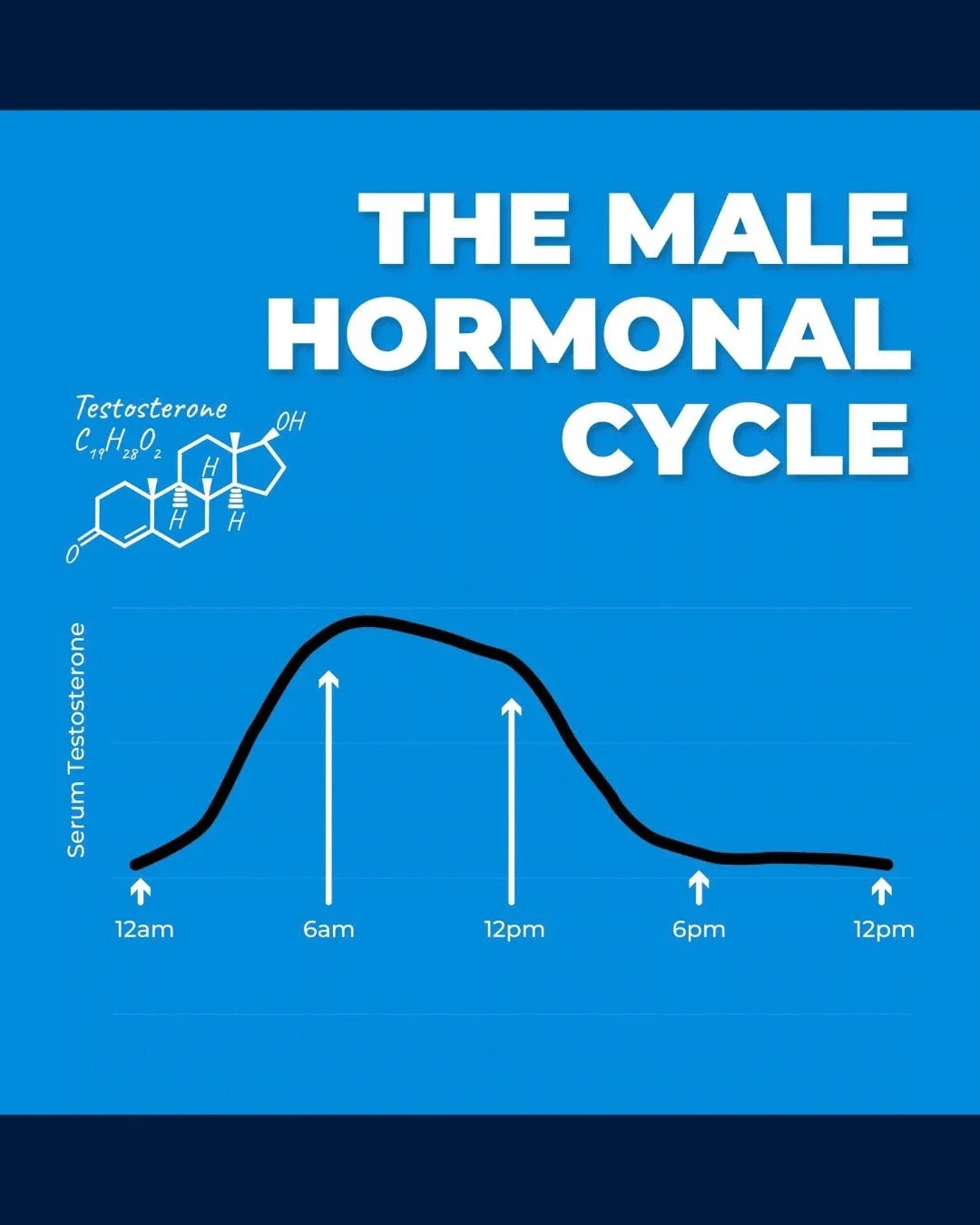
Testosterone follows a daily rhythm and is generally highest in the morning; therefore, labs should be checked in the morning, generally prior to 10 a.m.
Additional testing may include:
LH
FSH
Prolactin
SHBG
Free testosterone
CBC
PSA
Thyroid testing
Metabolic testing (including lipids)
The specific evaluation depends on the patient's symptoms and clinical history.
What Testosterone Level Is Considered Low?
There is no single number that should be interpreted in isolation for every man. Laboratory methods and reference ranges vary, and testosterone assays are not equally reliable. A commonly used clinical threshold is around 300 ng/dL, but the diagnosis must take into account the full clinical picture. A man with a testosterone level around 350 ng/dL and significant compatible symptoms may warrant further evaluation. Another man with a similar result but no symptoms may not require testosterone therapy. Context matters more than any single cutoff.
Why Does Testosterone Become Low?
Primary Hypogonadism
In primary hypogonadism, the testicles themselves have difficulty producing adequate testosterone.
Possible causes include:
Testicular injury
Certain genetic conditions
Chemotherapy or radiation
Testicular infection
Certain forms of testicular disease
Previous surgery affecting the testes
Secondary Hypogonadism
Here, the problem originates in the hypothalamus or pituitary gland, which normally signal the testes to produce testosterone. Factors that can disrupt this signaling include:
Pituitary tumors or other pituitary disorders
Hyperprolactinemia (elevated prolactin)
Head trauma or traumatic brain injury
Iron overload / hemochromatosis
Obesity
Severe or chronic illness
Chronic kidney or liver disease
HIV/AIDS
Sleep disorders, particularly obstructive sleep apnea
Malnutrition or significant calorie restriction
Excessive exercise or low energy availability
Long-term opioid therapy
Prolonged use of glucocorticoids such as prednisone
Certain psychiatric medications, particularly some antipsychotics and antidepressants
Other medications that affect the hypothalamic-pituitary-gonadal axis
The Role of Obesity, Sleep, and Lifestyle
One of the most important questions before starting TRT is: Why is testosterone low?
Some men have a potentially reversible contributor rather than permanent testicular or pituitary failure. Obesity is particularly important. Weight loss may improve testosterone levels in men whose low testosterone is associated with obesity. Sleep problems can also matter. Severe untreated obstructive sleep apnea is a particular concern when considering testosterone therapy.
Other potentially relevant factors include:
Poor-quality sleep
Significant calorie restriction
Excessive training
Certain prescription medications
Heavy alcohol use
Chronic medical conditions
Poor metabolic health
This does not mean lifestyle changes can “fix” every case of low testosterone. A man whose testes have been damaged by chemotherapy, for example, has a very different situation from a man whose testosterone is suppressed in association with obesity and severe sleep problems. The goal is to identify the cause before deciding on long-term hormone treatment.
When Should a Man Consider TRT?
Testosterone replacement becomes a reasonable discussion when several pieces line up:
You have persistent symptoms consistent with testosterone deficiency.
Your testosterone is repeatedly low on appropriately performed testing.
Other causes have been considered.
The potential benefits outweigh the risks.
You understand the implications of treatment, including the need for ongoing monitoring.
What Benefits Can TRT Provide?
For men with genuine hypogonadism, testosterone therapy can produce meaningful improvements in:
Sexual desire
Sexual function in some men
Lean body mass
Bone density
Anemia associated with testosterone deficiency
Some aspects of energy and well-being
Muscle strength
One common misconception is that TRT automatically produces dramatic weight loss or transforms an otherwise healthy man into a highly muscular athlete. That is not what medically prescribed testosterone replacement is designed to do. The objective is generally to restore testosterone toward an appropriate physiologic range and improve symptoms caused by deficiency, not to create supraphysiologic hormone levels.
What Forms of Testosterone Therapy Are Available?
Testosterone may be administered in several forms, including:
Injections: Testosterone can be injected intramuscularly or subcutaneously. Injections are widely used, relatively inexpensive, and convenient.
Topical testosterone (gel, solution, or patch): Provides relatively steady levels but requires consistent application and carries a risk of transferring testosterone to others through skin contact. Skin irritation can also occur.
Oral testosterone: (Jatenzo, Tlando, and Kyzatrex) These newer FDA-approved formulations offer a needle-free option for men who prefer to avoid injections or topical gels. They are typically taken twice daily with food (preferably containing fat) to ensure proper absorption. Consistent meal timing and composition are important, as irregular eating or low-fat diets can reduce effectiveness. They can interact with certain medications and are more expensive than injectable testosterone.
Pellets: Inserted under the skin and release testosterone for several months. Convenient but difficult to adjust or remove quickly if side effects occur.
Nasal testosterone: Needle-free and avoids skin-transfer concerns, but typically requires multiple daily applications and can cause nasal irritation.
The Fertility Issue in Men
A man considering TRT who wants children in the future needs to have this conversation before starting treatment. External testosterone can suppress the hormonal signals that stimulate the testes, substantially reducing sperm production. Men who are actively trying to conceive, or who expect to want children in the near future, should discuss fertility-preserving options with their clinician before starting TRT.
What Are the Potential Risks of TRT?
Increased red blood cell count (elevated hematocrit)
Acne and oily skin
Reduced sperm production
Testicular shrinkage
Breast tenderness or enlargement
Potential worsening of sleep apnea
Increases in blood pressure
What About Heart Attacks and Strokes?
This has been one of the most controversial questions surrounding TRT. Older observational research produced conflicting findings. More recent randomized evidence has provided greater reassurance when testosterone is used appropriately. In the large TRAVERSE trial, more than 5,200 men ages 45–80 with documented hypogonadism and either existing cardiovascular disease or high cardiovascular risk were followed for an average of nearly three years. TRT did not increase the risk of major cardiovascular events (cardiovascular death, heart attack, or stroke) compared with placebo.
However, the study did find slightly higher rates of atrial fibrillation, acute kidney injury, and pulmonary embolism in the testosterone group.
Link to the study referenced: HERE
Does TRT Cause Prostate Cancer?
Current evidence has not established that appropriately prescribed testosterone therapy causes prostate cancer. However, prostate cancer is androgen-sensitive, and men being considered for testosterone treatment should have appropriate prostate risk assessment. Particular caution and monitoring may be appropriate in men with elevated PSA, prostate abnormalities, or increased prostate cancer risk.
What About Other Cancers?
Current evidence does not support the idea that testosterone therapy broadly causes cancer. A history of cancer does not automatically contraindicate testosterone therapy. The important distinctions are the type of cancer, whether it is active, whether it is hormone-sensitive, and the individual’s overall clinical situation. Prostate cancer and male breast cancer are the major cancers specifically addressed in testosterone-treatment guidelines.
Who Should Generally Not Start TRT?
Known or suspected prostate cancer
Breast cancer
Elevated hematocrit
Untreated severe obstructive sleep apnea
Uncontrolled heart failure
A heart attack or stroke within the previous 6 months
Known thrombophilia (certain clotting disorders)
Fertility deserves special consideration. Testosterone therapy can suppress the body’s own testosterone production and significantly reduce sperm production, so men who want to preserve fertility should discuss alternatives with a clinician before starting TRT.
What About Men Over 60 or 65?
Testosterone tends to decline with age, but aging itself does not automatically mean a man requires testosterone replacement. For older men who have symptoms and consistently low testosterone, treatment can be considered on an individualized basis after discussing potential benefits and risks.
What Should Be Checked Before Starting TRT ?
A responsible evaluation should go considerably further than ordering a single testosterone test. Depending on the individual, a clinician may consider:
Morning total testosterone
LH and FSH
Prolactin
Complete blood count
PSA and prostate assessment
Blood pressure
Thyroid function, metabolic labs, iron status, and sleep evaluation when indicated
How Long Should You Try TRT Before Deciding Whether It Works?
Some men notice changes in libido relatively early. Changes in body composition, muscle mass, and bone health generally take longer. If testosterone levels normalize but the original symptoms do not improve, it is worth reconsidering whether low testosterone was actually the main cause of those symptoms.
What If Testosterone Is Borderline Low?
Suppose a man has mildly reduced testosterone along with some fatigue, slightly reduced libido, poor sleep, excess body weight, high work stress, and minimal exercise. It would be premature to conclude that testosterone replacement is automatically the answer.
A better approach involves reviewing medications, assessing sleep quality and possible sleep apnea, addressing obesity or metabolic health, reviewing alcohol intake and lifestyle, checking for other medical causes of fatigue, and determining whether symptoms persist after reversible factors are addressed. This process may ultimately lead to TRT, or it may reveal that TRT was never the appropriate treatment.
What About Testosterone-Boosting Supplements?
The supplement industry has a lot of products marketed as “testosterone boosters,” but the evidence behind many of them is inconsistent. Some individual nutrients are more interesting than others when a deficiency is present. Magnesium status has been associated with testosterone levels, and small studies of boron have shown effects on SHBG (sex hormone-binding globulin) and free testosterone. However, these findings are limited, and supplements should not be presented as equivalent to TRT when genuine hypogonadism is present. That said, correcting clear nutrient deficiencies can be a reasonable place to start.
What About Peptides?
There is growing interest in peptides as a way to influence hormone production, body composition, recovery, and metabolic health. Not all peptides work through the same pathway, and it is important to distinguish between those that directly affect testosterone production and those that work through other hormonal systems.
Kisspeptin
Kisspeptin is one of the most interesting peptides when the goal is specifically to stimulate the body’s own testosterone production. It acts in the hypothalamus and stimulates the signaling pathway that leads to LH and FSH release, which can ultimately increase testosterone production by the testes. This view is consistent with a 2026 narrative review in Frontiers in Reproductive Health, which identified kisspeptin as currently having the strongest translational and clinical evidence among peptide strategies aimed at reactivating the HPT axis after TRT-induced suppression or in functional hypogonadism. The authors noted that while these approaches may support more physiological hormone signaling and potentially help preserve fertility, robust long-term data are still lacking.
hCG
hCG is frequently discussed alongside peptides, even though it is technically a glycoprotein hormone rather than a short peptide. It works further downstream by mimicking luteinizing hormone (LH) and acting directly on the Leydig cells in the testes. In men with intact testicular function, this can stimulate the body’s own testosterone production and help preserve testicular size and spermatogenesis. Unlike exogenous testosterone, hCG does not suppress the testes in the same way. It has established clinical use in certain forms of hypogonadotropic hypogonadism and in fertility protocols, and it is one of the few compounds in this category with specific FDA-approved indications.
Growth Hormone–Related Peptides
Other peptides are being explored for their effects on the growth hormone (GH) and IGF-1 pathways. These include CJC-1295, sermorelin, ipamorelin, GHRP-2, and GHRP-6, among others. These compounds do not directly replace testosterone or specifically stimulate the testosterone pathway. Instead, they influence GH secretion, which may affect body composition, recovery, and other aspects of physiology. They are not necessarily a treatment for low testosterone.
The broader question is whether we can stimulate the body’s own hormonal systems rather than simply replace the hormone. That is an interesting area of research, particularly for men with potentially reversible or secondary hypogonadism. The appropriate approach depends on where the problem originates and which hormonal pathway is actually affected.
What About Clomiphene and Enclomiphene?
Clomiphene and enclomiphene are selective estrogen receptor modulators (SERMs) that can increase LH and FSH, stimulating the testes to produce more of their own testosterone. They may be particularly useful in men with secondary hypogonadism who want to preserve fertility, because unlike TRT they can maintain the body’s own reproductive signaling and sperm production.
Low testosterone should not automatically mean starting a SERM. Stress, poor sleep, inadequate nutrition, excessive training, illness, weight changes, and other factors can all suppress testosterone. Addressing these underlying factors first may be more appropriate than immediately using medication.
Some men report increased anxiety, irritability, or mood changes while taking these medications. Other potential side effects include headaches, visual symptoms, and changes in libido. Enclomiphene is not FDA-approved for male testosterone deficiency, and clomiphene’s use in men is off-label. These medications are generally more relevant for secondary hypogonadism and less likely to help in primary hypogonadism.
Some Questions Worth Asking
Do I have meaningful symptoms that are consistent with testosterone deficiency?
Have I had appropriate testing?
Could something else be contributing (sleep disorders, medications, metabolic health, nutrition, stress, thyroid issues, anemia, etc.)?
What is my reproductive goal?
What are my other health considerations (blood pressure, hematocrit, prostate health, cardiovascular risk)?
Is there a specific indication for treatment?
The bigger question is: Why is your testosterone low, and what can we do to restore the signaling that allows your body to make its own?
For some men, addressing obesity, sleep, nutrition, medications, or other reversible factors may improve testosterone production. For men with secondary hypogonadism, therapies that stimulate the hypothalamic-pituitary-testicular axis (such as SERMs or, potentially, certain peptides) may be worth considering. For men with primary testicular failure, the problem is not a lack of signaling-the testes themselves may not be able to produce enough testosterone, making testosterone replacement a fundamentally different approach.
The goal is not simply to raise the testosterone number. It is to understand why testosterone is low, address the underlying factors that may be contributing to symptoms, and determine whether the best approach is to improve those factors, stimulate the body’s own testosterone production, or replace what the body can no longer produce.