Why Your Labs Are “Normal” but You Still Feel Terrible
You’re exhausted, foggy-headed, maybe struggling with mood swings or low libido, but every time you get your blood work done, the results come back “normal.” Frustrating, right? You know something isn’t right, but the labs don’t seem to agree.
You’re definitely not alone. Many people experience symptoms that interfere with their quality of life, yet their conventional lab tests don’t reveal any obvious problems. Here’s why that happens, and what you can do to finally get answers.
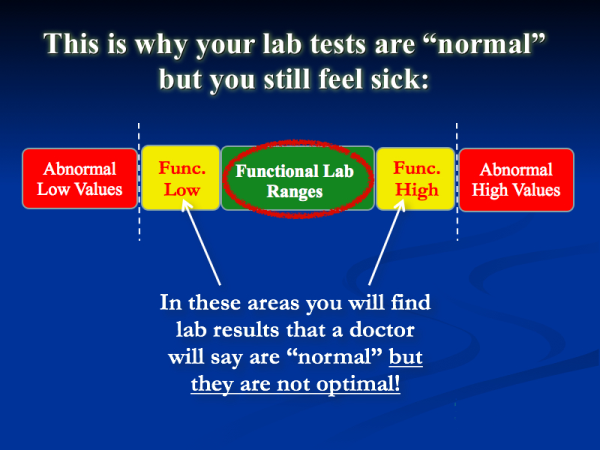
Lab “Normal” Doesn’t Always Mean Healthy
When your lab results come back as “normal,” it means your values fall within the reference range established by the testing laboratory. These ranges are usually calculated to include about 95% of the population, essentially the middle ground between the lowest 2.5% and highest 2.5% of results.
However, this statistical definition of “normal” has some important limitations:
Wide Ranges Can Mask Imbalances:
Lab reference ranges are often broad to account for natural variation across a diverse population. This means you could be at the very low or very high end of that range and still be classified as “normal.” Yet, being at these extremes might correspond to symptoms or dysfunction.
For example, a thyroid hormone level that’s technically “normal” but near the low end might still cause fatigue or brain fog for some individuals.
Based on Averages, Not Optimal Health:
Lab reference ranges are calculated using data from the general population, which includes a large percentage of individuals with chronic health issues such as overweight and metabolic dysfunction. Because most of the population is not optimally healthy, these “normal” ranges reflect what is common rather than what is ideal for true wellness and optimal functioning. In other words, the baseline for “normal” is often set by an already unhealthy population.
Designed to Detect Disease, Not Early Warning Signs:
Conventional labs are primarily focused on identifying clear disease states or critical abnormalities that require urgent intervention. They’re excellent for spotting conditions like anemia, diabetes, or hypothyroidism once they have progressed. But they are less sensitive to early dysfunction or subtle imbalances that can still impact your quality of life.
Your “Normal” May Be Just the Beginning of a Problem:
Getting a “normal” result doesn’t mean everything is perfect. It often means you’re not yet sick enough to meet the diagnostic criteria for a specific condition. In other words, your body could be signaling distress through symptoms, but your labs haven’t crossed the threshold that doctors typically act upon.
Individual Differences Matter:
Everyone is unique, and what is “normal” for one person may not be optimal for another. For instance, one person might feel energetic and healthy with a vitamin D level of 35 ng/mL, while another feels sluggish and experiences immune issues at the same level. Labs can’t capture these personal variations perfectly.
Because of these limitations, many people experience frustrating situations where their symptoms persist despite “normal” labs. This disconnect highlights the importance of interpreting lab results in the context of symptoms, lifestyle, and overall health, not just relying on numbers alone.
The Limitations of Conventional Testing
Conventional lab tests are invaluable tools in modern medicine. They are expertly designed to detect clear-cut, often serious health problems. When there’s a significant abnormality, these tests provide clear answers that guide urgent treatment and interventions.
However, conventional testing also has important limitations:
Misses Subclinical and Early-Stage Issues:
Many health problems begin as subtle imbalances or dysfunctions that don’t yet meet the clinical threshold for disease. These “subclinical” issues can cause real symptoms, like fatigue, mood changes, or digestive disturbances, but may not show up on standard tests.
Conventional labs often focus on diagnosing established disease, so early warning signs can be overlooked.
Limited Scope of Markers:
Standard tests usually measure a narrow set of biomarkers and often don’t assess the full spectrum of factors influencing your health.
For example, they may not provide detailed insight into hormone balance beyond basic thyroid-stimulating hormone (TSH), nor do they routinely check for chronic low-grade inflammation, gut microbiome imbalances, or micronutrient deficiencies that can profoundly affect your wellbeing.
Lack of Systemic Perspective:
Conventional labs often analyze each marker in isolation, without considering how different body systems interact. Your hormones, immune system, digestion, and detox pathways are all interconnected, and dysfunction in one area can ripple through others. Without a comprehensive and integrative view, important patterns and root causes may be missed.
Symptom-Driven Testing:
Traditional labs are often ordered based on presenting symptoms or to confirm a suspected diagnosis. This reactive approach means many people don’t get tested unless symptoms become severe enough to raise concern, potentially delaying early intervention and prevention.
Some Common Reasons You Might Feel Terrible Despite ‘Normal’ Labs
Hormone Imbalances:
Hormones are your body’s chemical messengers, regulating everything from energy and mood to metabolism and reproductive health. Even if your basic lab tests like TSH or total testosterone fall within the “normal” range, subtle imbalances in free hormones, adrenal function, or progesterone can still disrupt how you feel daily. These nuanced shifts often require more specialized testing to uncover and can explain symptoms like fatigue, weight changes, mood swings, and low libido.
Chronic Inflammation:
Inflammation is a natural response to injury or infection, but when it becomes chronic and low-grade, it silently affects many body systems. This type of inflammation doesn’t always show up on standard tests but can drain your energy, worsen mood disorders, impair brain function, and contribute to pain or autoimmune issues. Detecting and addressing chronic inflammation is key to restoring vitality.
Gut Dysfunction:
Your gut is sometimes called the “second brain” because it plays a huge role in your immune system, nutrient absorption, and even mental health. Imbalances in gut bacteria (dysbiosis), undiagnosed food sensitivities, or low-grade infections can cause symptoms like brain fog, fatigue, bloating, and digestive discomfort. Conventional labs rarely assess the complex ecosystem of your gut, so targeted stool and breath testing may be needed.
Nutrient Deficiencies:
Vitamins and minerals are essential cofactors for countless biochemical reactions in the body. Deficiencies in nutrients like magnesium, vitamin D, B vitamins, or iron can quietly sap your energy and impair immune and neurological function. Standard blood work often doesn’t include a detailed micronutrient panel, so deficiencies may be missed despite ongoing symptoms.
Stress and Lifestyle Factors:
Chronic stress, poor sleep quality, and exposure to environmental toxins can profoundly affect your health but rarely show up on routine lab tests. Stress hormones like cortisol, disrupted circadian rhythms, and toxin buildup can all cause symptoms including fatigue, anxiety, and brain fog. Addressing these factors through lifestyle modifications, stress management, and detox support is essential for feeling better.
What You Can Do About It
What You Can Do About It
Find a provider who understands functional testing.
Someone trained in functional or integrative medicine can order the right advanced labs to uncover hidden imbalances.
Request more comprehensive testing.
Tests like full hormone panels, inflammation markers, organic acids, and stool analysis can provide a deeper look at what’s going on.
Look at your symptoms as clues.
Don’t ignore how you feel just because labs say you’re “normal.” Symptoms are valuable signals your body sends to help guide care.
Focus on lifestyle and root causes.
Nutrition, sleep, stress management, and detoxification are key areas that support healing and optimal health.
“Normal” labs don’t guarantee you feel well, and they don’t tell the full story of your health. If you’re tired of being dismissed or left without answers, it’s time to dig deeper. Your health journey is about more than just numbers. It’s about feeling your best every day. Don’t settle for “normal” when you deserve optimal.
If you’d like support with advanced testing or personalized care that looks beyond standard labs, I’m here to help.