The Benefits of Cold Therapy: Is it Right for You?
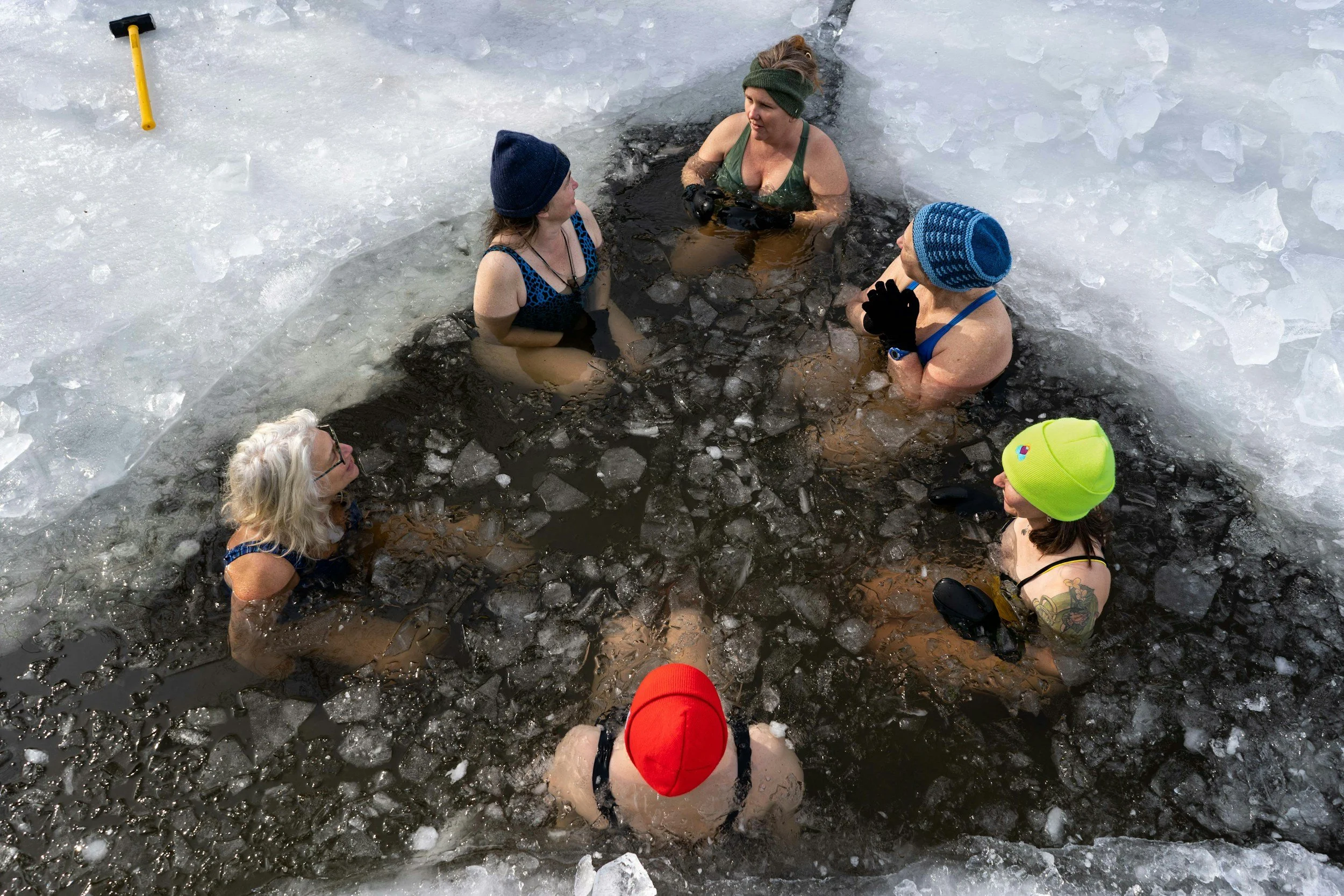
Cold plunges, immersing your body in cold water, typically below 52°F have gained immense popularity in recent years, particularly among athletes, wellness enthusiasts, and biohackers. But what exactly happens to your body during a cold plunge, and does it live up to the hype?
Let’s explore the science behind cold water immersion and its potential benefits for your body and mind.
How Cold Plunges Work: A Physiological Overview
When you submerge your body in cold water, a cascade of physiological responses occurs. These processes trigger a variety of beneficial effects:
Vasoconstriction: In response to the cold, your blood vessels constrict, reducing blood flow to peripheral tissues. This helps minimize swelling and tissue damage, while redirecting blood to vital organs to maintain core temperature.
Catecholamine Release: Cold immersion stimulates the release of norepinephrine and adrenaline, hormones that can improve focus, increase alertness, and boost mood. This is one reason why cold plunges leave you feeling energized and mentally sharp.
Anti-Inflammatory Response: The cold reduces the production of pro-inflammatory cytokines and increases the levels of anti-inflammatory markers, potentially reducing systemic inflammation.
Thermogenesis: Your body responds to the cold by generating heat, activating brown adipose tissue (BAT), a type of fat responsible for calorie burning and heat production.
Evidence-Based Benefits of Cold Plunges
1. Reduction in Inflammation and Muscle Soreness
Cold water immersion (CWI) is widely used for reducing inflammation and alleviating post-exercise muscle soreness. A 2015 meta-analysis published in The Cochrane Database of Systematic Reviews concluded that CWI reduces muscle soreness by up to 20% in athletes, with improved recovery times. The cold reduces local blood flow and minimizes the swelling that occurs after intense exercise.
2. Enhanced Circulation and Recovery
The vascular constriction and subsequent dilation after exiting the cold water stimulate circulation, aiding in the removal of metabolic waste products, such as lactic acid, from muscles. This "pumping effect" may speed up recovery after physical exertion and improve overall blood flow to injured tissues.
3. Mood Boost and Mental Resilience
Cold plunges can trigger the release of endorphins—the body’s natural painkillers—as well as norepinephrine, a neurotransmitter linked to improved focus, alertness, and mood. A 2014 study in Medical Hypotheses noted that repeated cold exposure may enhance neurochemical resilience, helping individuals better cope with stress.
4. Improved Sleep Quality
Cold immersion has been shown to positively influence sleep patterns. A study published in Sleep Medicine Reviewssuggested that lowering the body’s core temperature before sleep encourages the body's circadian rhythm to signal rest. This leads to better sleep quality, faster sleep onset, and deeper sleep.
5. Increased Metabolic Rate
Cold exposure activates brown adipose tissue, which generates heat by burning calories. A study in The Journal of Clinical Investigation found that exposure to cold temperatures increased brown adipose tissue activity and improved insulin sensitivity, which could have positive implications for weight management and metabolic health.
Potential Risks and Precautions
While cold plunges have proven benefits, they are not without risks—especially if not practiced safely:
Hypothermia: Prolonged exposure to extremely cold water can lower the body’s core temperature, potentially leading to hypothermia. Always monitor how your body feels. Start with shorter plunges.
Cardiovascular Stress: The sudden shock of cold water can cause rapid increases in heart rate and blood pressure. Those with cardiovascular conditions should consult a healthcare professional before engaging in cold plunges.
Frostbite and Skin Damage: Extended exposure to freezing water, especially without proper acclimatization, could result in frostbite or other forms of skin damage.
Should You Try Cold Plunges?
Cold plunges are a relatively low-risk, high-reward method for enhancing physical recovery, mental clarity, and overall health. If you’re healthy and don’t have pre-existing cardiovascular or circulatory issues, this method could become an invaluable part of your wellness routine. Many people report feeling invigorated and more resilient after regular exposure to cold water, along with noticeable improvements in sleep and muscle recovery.
As with any health intervention, the key is to listen to your body, start slowly, and progress at your own pace. You may want to begin with cold showers before gradually working up to full cold plunges to assess how your body responds.
My Personal Experience with Cold Plunging
I’ve been consistently using cold plunges for the past four years, and the impact has been huge. One of the most significant changes I’ve seen is the complete reversal of my Raynaud’s symptoms, something I achieved through regular cold exposure. I want to be clear that this is my personal experience, and I highly recommend speaking with your doctor before attempting anything similar. In my case, cold therapy wasn’t medically recommended, but it turned out to be incredibly effective for me.
Over time, I’ve developed a much higher tolerance for cold. Each session leaves me feeling mentally sharper and physically more resilient, with a boost in energy that can last for hours. It’s also strengthened my mental toughness. Plus, it’s helped significantly with muscle recovery after workouts. I try to separate cold plunge and resistance training by a few hours, since there's a slight chance it could reduce the muscle-building benefits.
I typically plunge in water ranging from 33°F to 52°F. At the higher end of that range, I’ll stay in for up to 10 minutes. When it dips to 33°F, I’ll do a quick dip and get out. It’s worth noting that I’ve gradually built up my cold tolerance over time, this didn’t happen overnight.