Peptide Series: Part 3: TB-500
Important Note: This article is for educational purposes only and does not constitute medical advice or guidance. The peptide discussed here is not approved by the FDA for human use. Dosing references are based on anecdotal reports from research communities and are not recommendations. Always consult a licensed medical professional before making any health-related decisions.
TB-500 (Thymosin Beta-4)
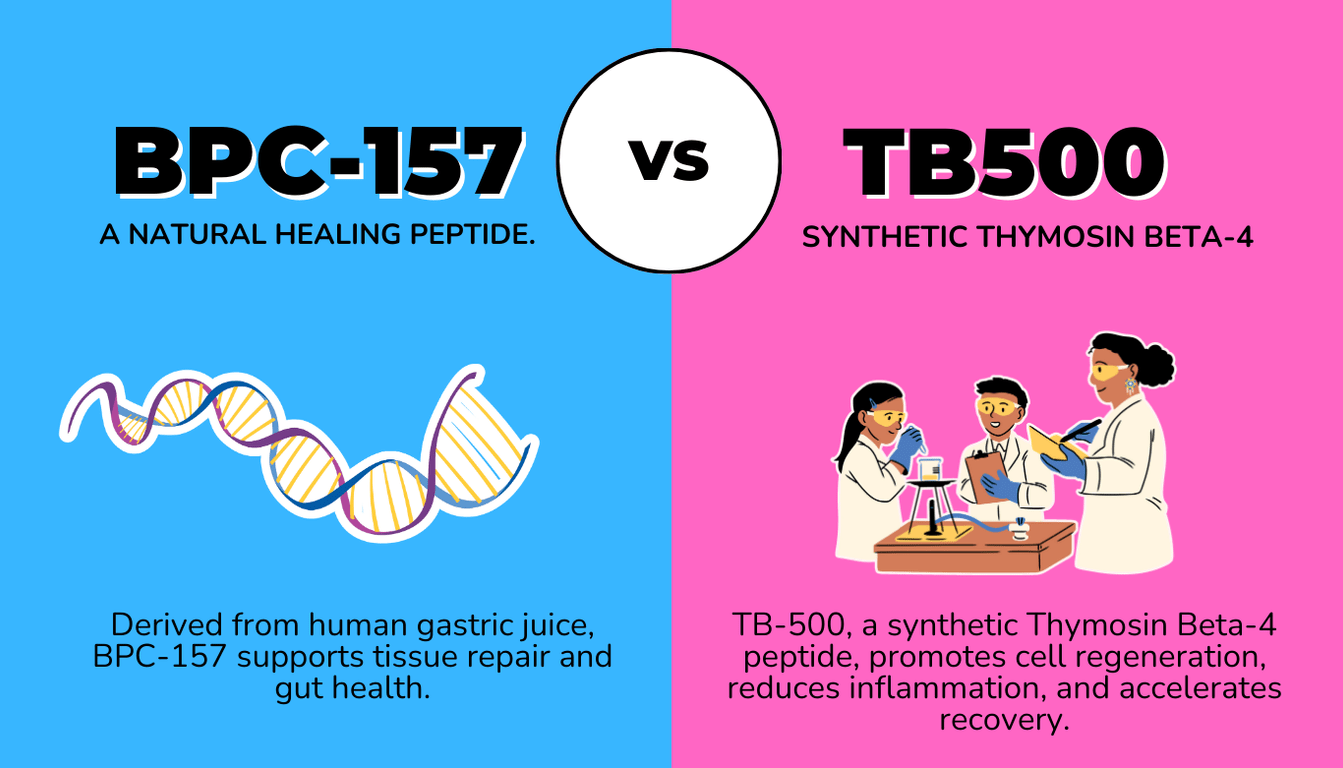
TB-500 is a synthetic version of a naturally occurring peptide called Thymosin Beta-4, found in almost every human cell. This powerful peptide plays a crucial role in tissue regeneration, cell migration, wound healing, and inflammation reduction, making it a subject of growing interest in the fields of sports medicine, regenerative therapy, and anti-inflammatory treatments.
What is TB-500?
Thymosin Beta-4 (TB-500) is a synthetic peptide designed to mimic the effects of the naturally occurring peptide in the body. It is involved in multiple cellular processes that promote repair and recovery. Because of its unique ability to support cell migration and reduce inflammation, TB-500 has been explored for various therapeutic uses, particularly in enhancing healing after injury or surgery.
Mechanism of Action
1. Helping Cells Move to Injured Areas
One of the main functions of TB-500 is to help repair cells, especially stem cells, move to areas where the body is injured. When tissues like tendons, ligaments, or heart muscle are damaged, healing depends on sending stem cells to the injury site. But these tissues usually heal slowly because they don’t get much blood flow and the repair cells can’t move there easily.
TB-500 improves this process by changing the cytoskeleton, the internal structure of cells, so they can move more freely. This makes it easier for stem cells and other repair cells to reach the injury faster and in greater numbers, which speeds up healing. This is especially helpful in tissues like tendons and ligaments that are known for their slow recovery times.
2. Supporting the Cell’s Internal Structure
TB-500 also interacts with a protein called G-actin, which is a building block of actin filaments. Actin is a key part of the cytoskeleton, giving cells their shape, helping them move, and organizing what’s inside them.
By binding to G-actin, TB-500 helps cells build and stabilize their internal framework. This is important because cells need a stable structure to move through tissues and reach injured areas. These movements happen using small extensions that allow cells to crawl through their surroundings. This ability to reshape and move is essential for effective wound healing and tissue repair.
3. Boosting Blood Vessel Growth (Angiogenesis)
Another important role of TB-500 is encouraging angiogenesis, which is the formation of new blood vessels. It does this by increasing levels of a protein called VEGF (Vascular Endothelial Growth Factor), which signals blood vessel cells to grow and move.
Injured tissues often suffer from poor blood flow, which leads to low oxygen and nutrient levels. By promoting VEGF, TB-500 helps the body grow new capillaries to bring blood back to these areas. This improves the delivery of oxygen and nutrients and also helps clear away waste products, creating better conditions for healing.
4. Reducing Harmful Inflammation
Too much inflammation can get in the way of healing. It often leads to the formation of scar tissue and reduces how well the tissue can function afterward. TB-500 helps balance the immune response by lowering levels of pro-inflammatory cytokines like IL-6 and TNF-alpha.
By calming down inflammation, TB-500 prevents additional tissue damage and reduces the risk of excessive scarring. This supports healthier, more functional tissue repair instead of just forming stiff scar tissue. In this way, TB-500 helps create a healing environment that’s more efficient and effective.
Potential Uses of TB-500
TB-500 is gaining traction for its broad therapeutic potential:
Tissue Repair & Regeneration:
Speeds healing of muscles, tendons, and ligaments, making it popular among athletes recovering from soft tissue injuries or post-surgery.Joint & Tendon Health:
Helps reduce inflammation and pain in joints and connective tissues, potentially benefiting conditions like arthritis, tendonitis, and bursitis.Cardiovascular Healing:
Animal studies suggest it may support heart tissue repair after heart attacks or other cardiovascular damage.Eye Health:
Investigated for corneal repair and treating dry eye syndrome due to its regenerative properties.Hair Growth:
Early research and anecdotal evidence indicate potential for stimulating hair regrowth when applied topically or administered systemically.Immune System Modulation:
May help balance immune responses, possibly useful in autoimmune or chronic inflammatory conditions.
Dosing and Frequency
Dosing protocols vary but generally follow two phases according to the research communities:
Loading Phase (Weeks 1–4 or 1–6)
Dose: 2.0 to 2.5 mg
Frequency: Twice per week
Duration: 4 to 6 weeks
Total Weekly Dose: 4 to 5 mg
This phase builds up peptide levels to address acute injuries or inflammation effectively.
Maintenance Phase (Optional)
Dose: 2.0 to 4.0 mg
Frequency: Every 2 to 4 weeks (some use once monthly)
Side Effects & Risks
Reported side effects are generally mild and may include:
Fatigue
Headaches
Nausea
Lethargy or brain fog
Potential Risks:
There is theoretical concern that TB-500’s ability to promote cell migration could encourage tumor cell movement, although this has not been confirmed in clinical settings.
Effectiveness
Animal Studies & Preclinical Evidence
Research shows TB-500 accelerates wound healing, angiogenesis, and regeneration of tendons and ligaments. Promising applications include:
Myocardial infarction (heart attack) recovery
Corneal injuries
Limb ischemia
Neurological injuries
Study of Thymosin β4 for the Treatment of Acute Stroke in Rats
Thymosin Beta 4 use 6 hours post injury following TBI in rats
Human Data
Human use is mostly anecdotal and experimental, often combined with peptides like BPC-157 to enhance healing. There are limited clinical trials, and TB-500 is not FDA-approved for medical treatment.
Legality and Availability
TB-500 is not FDA-approved and is sold primarily as a “research only” peptide through online suppliers. Its legal status may vary by country and region, so caution and due diligence are advised before purchasing or using TB-500.
Stacking TB-500 with Other Compounds
Users often combine TB-500 with other peptides for enhanced results, including:
TB-500 + CJC 1295 + Ipamorelin (for regenerative and anti-aging effects)
TB-500 + BPC-157 (for synergistic soft tissue healing)
TB-500 + BPC-157 + IGF1-LR3 (for muscle growth and repair)
Lab Work to Consider
Before and during use, consider monitoring:
Inflammatory markers (CRP, ESR)
Liver and kidney function tests
Complete blood count (CBC)
Tumor markers if there is a cancer risk
TB-500 is an exciting peptide with a variety of potential therapeutic applications, especially in tissue repair and inflammation modulation. While research is promising, especially in preclinical studies, its use in humans remains largely anecdotal and experimental. Always consult with a healthcare professional before considering peptides like TB-500, and approach sourcing with caution due to regulatory and quality concerns.